Asia is more than just Thailand or Vietnam. You're looking for a trip that involves more than just places you've seen on TikTok. We've compiled the complete list for you, so you can embark on your journey well-prepared!
Why Asia is the perfect backpacking destination
It's no wonder Asia has been the world's most popular backpacking destination for years. It has everything at once: beaches, jungle, rice paddies, megacities, and impressive temples, all within a few hours' flight of each other. And all for a price level where €35 a day is comfortable living.
The real advantage is the short travel time between countries. In four weeks, you can see more than you would in six weeks in Europe. Thailand, Vietnam, Malaysia, and Japan are all within a few hours of each other. Each destination has a completely different atmosphere, so you won't get bored quickly. Bangkok is chaotic but charming. Hội An is full of rice paddies and lanterns. Kyoto has temples and beautiful nature. Seoul is street food and history.
For first-timers: Thailand and Vietnam are the best starting points. Well-organized for backpackers, affordable, plenty of hostels, and enough to see for months. Want more culture and fewer crowds? Malaysia or South Korea. Want to see it all in one route? Bangkok, Chiang Mai, Hanoi, Hội An, Ho Chi Minh City is a classic for a reason: you get jungle, city, beach, and rice paddies, all in three to four weeks.

The best destinations for your Asia trip
Four countries you shouldn't miss on an Asia trip. Click through for our complete travel guides with itineraries and practical tips.

Vietnam
From the rice terraces of Sapa to the beaches in the Miami of Vietnam: Da Nang. Vietnam is affordable, has friendly people, and is impressive. Three weeks are just enough.

Malaysia
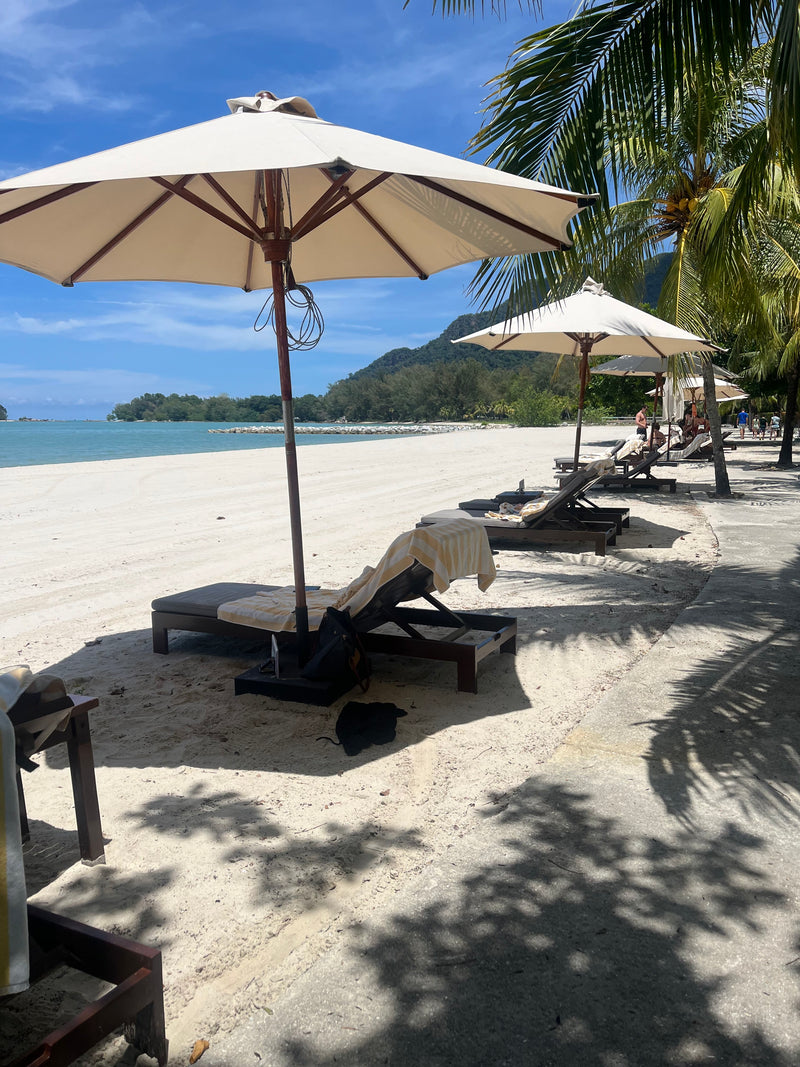
Kuala Lumpur, the island of Langkawi, and Dutch history in Malacca. Malaysia combines tropical, urban, and adventurous in one country.

South Korea
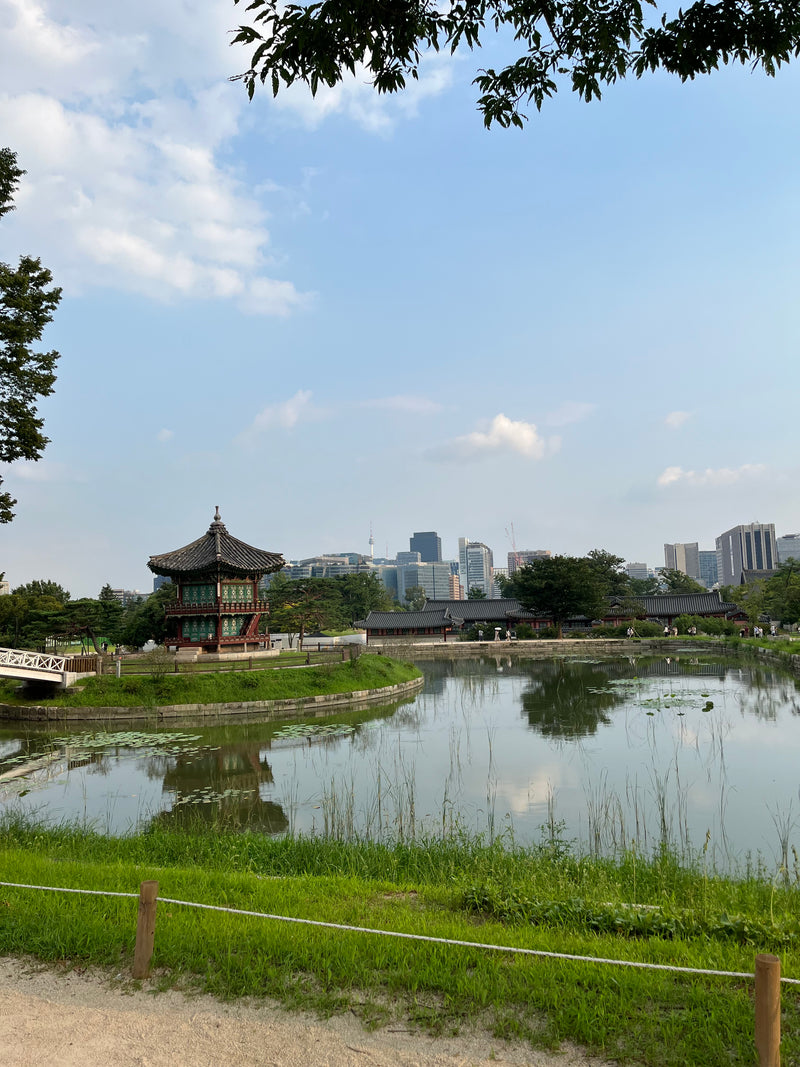
Seoul is one of the coolest cities in the world, but South Korea has more to offer: temples, awesome hikes, and a coastline in Busan with an incredible skyline.

Japan
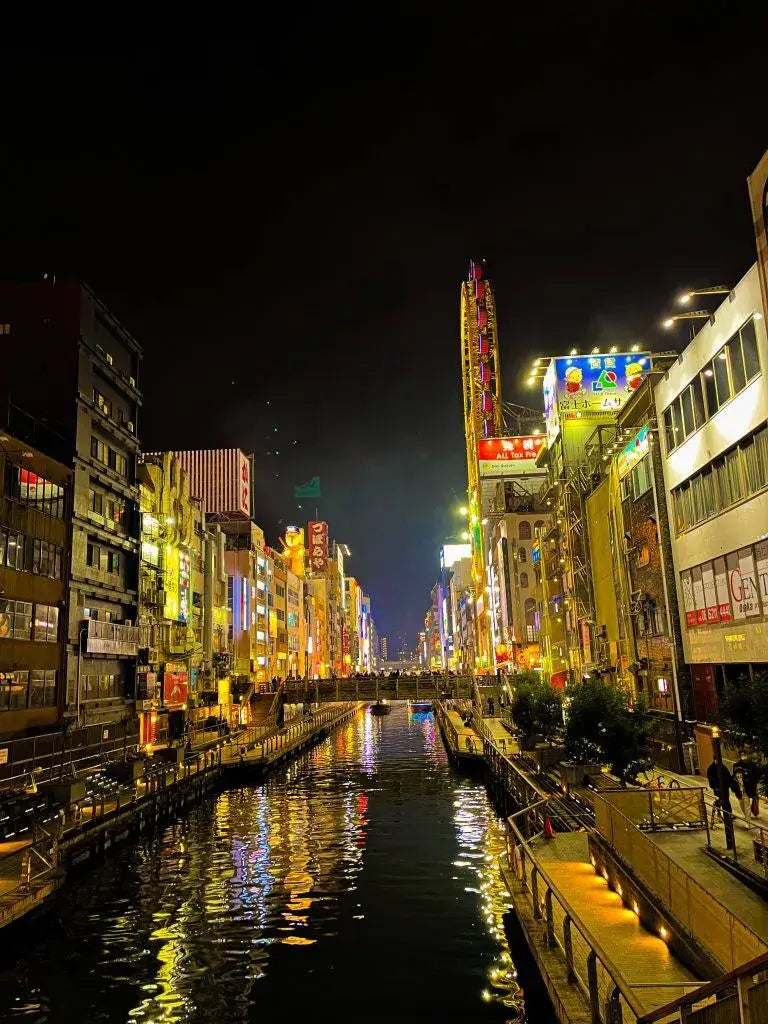
Japan is another world. Tightly organized, ancient yet modern at the same time. More expensive than Southeast Asia, but no other destination feels so unique.
Which backpack do you take to Asia?
This is the most underestimated decision for your Asia trip. Most people bring a large 65L backpack or a hard suitcase. Both have their limitations.
A large backpack gets heavy, especially in 35-degree weather, which is common in many Asian countries. And you don't want to constantly rummage through your entire bag for a pair of socks. A suitcase works fine in the city, but as soon as you take a boat, want to rent a scooter, or walk into a narrow alley, you'll immediately want to get rid of it.
For Asia, you want a 45 to 55L backpack that you can roll and carry. That's exactly what the Legpack does. 50 liters capacity, opens like a suitcase so you don't have to dig through your entire bag. Additionally, you can carry it as a backpack on unpaved roads and when you want to take a scooter. The TSA lock is handy if you store your bag in shared spaces, such as when you leave your bag at a hostel reception.
One thing to know beforehand: the Legpack (50L) does not fit as hand luggage but goes as checked baggage. For a trip of two weeks or longer, this is no problem at all: you'll check in anyway, as this is included in your flight ticket. Are you going on a short day trip somewhere? Then it's better to bring a small bag.

What's in your backpack?
Less than you think. After a week in Asia, you'll realize you didn't use half of what you packed.
Clothes for 5 to 7 days. Throughout Asia, you can get your laundry done cheaply, costing less than 5 euros per wash.
Trail shoes & flip-flops: It's useful to bring trail shoes, as you can hike, exercise, and run in them (for the sporty travelers among us). Also bring flip-flops, which you'll use in hostels and on the beach.
Rain protection. A light rain poncho is handy to bring or buy locally. There can be quite heavy downpours, mainly in Southeast Asia. You'll want to avoid a soaked passport ;)
Health: Paracetamol, mosquito repellent with DEET, and sunscreen. Everything is available for purchase in Asia, but after such a long flight, you won't want to go to a 7/11 on your first evening.
Electronics: Power bank (essential for long bus and train rides), universal travel adapter, and a padlock for your locker.
Microfiber towel. Compact, dries in an hour, and is great for the beach. Hostels often don't provide towels.
Packing Cubes. Packing cubes are not a luxury, but a necessity. You'll be living out of one bag for weeks. Without packing cubes, you'll have to rummage through your entire bag for a pair of socks.
Fewer items, better bag, no stress. Everyone overpacks, us too ;)
Paklijst backpacken Azië
- Paspoort
- Visum / e-visa geregeld
- Reisverzekering
- Creditcard + Cash
- Digitale kopieën (paspoort, vluchten)
- Internationaal rijbewijs
- Pasfoto's voor visa-on-arrival
- T-shirts (3-4)
- Lange & korte broeken
- Regenjas / poncho
- Klein vestje
- Slippers + Trailschoenen
- Zwemkleding
- Telefoon + oplader
- Powerbank
- Wereldstekker
- eSIM
- Koptelefoon
- Camera + geheugenkaart
- Vaccinatieboekje bijgewerkt
- Persoonlijke medicijnen
- EHBO-setje
- Zonnebrand + insectenspray
- Microvezelhanddoek
- Toiletzakje
- Packing cubes
- TSA-slot
- Slaapmasker + oordoppen
- Opblaasbaar Nekkussen
- Waterfles met filter
- Klein dagrugzakje
- Rugzak met wieltjes
- Regenhoes voor de rugzak
- Compressiebandjes
- Bagagelabel met contactgegevens

Visa for Asia: Explained per country
As a Dutch or Belgian national, you'll find little visa hassle for the most popular Asian destinations. Always check the current rules via the website of the Dutch embassy before your departure, as rules can change.
Thailand: 60 dagen visumvrij voor Nederlanders (in 2026). Eenmalig verlengbaar met 30 dagen bij de lokale immigratiedienst voor +-€50. Wil je langer? Vraag een toeristen-visa aan voor 60 dagen bij de Thaise ambassade voor vertrek.
Vietnam: e-visa van 90 dagen via het officiële portaal van de Vietnamese immigratiedienst. Kosten circa €20, verwerking 3 werkdagen. Print hem uit of sla hem op je telefoon, beide worden geaccepteerd bij de grens. Dit is mij duur te komen te staan, aangezien ik pas een dag voor m'n vlucht wist dat je een visum nodig had, waardoor ik €100 lichter uitkwam met veel stress.
Maleisië: 90 dagen visumvrij. Geen actie nodig, je krijgt de stempel bij aankomst.
Japan: 90 dagen visumvrij voor Nederlanders. Japan vraagt soms om bewijs van een retourticket bij de grenscontrole, zorg dat je dat kan laten zien!
Zuid-Korea: 90 dagen visumvrij, maar je hebt wel een K-ETA nodig: een elektronische reisautorisatie. Aanvragen via k-eta.go.kr, kosten circa €8, verwerking 1 tot 3 werkdagen. Zonder K-ETA word je teruggestuurd.
Indonesië (Bali): visa on arrival van 30 dagen bij aankomst op het vliegveld, kosten circa $35 per persoon. Eenmalig verlengbaar met nog eens 30 dagen bij de immigratiedienst.
Booking flights to Asia: when and how
The time of booking matters more than you think.
When to book: 3 to 5 months in advance is the sweet spot for flights to Asia. Earlier is not necessarily cheaper, as airlines dynamically adjust prices. After this window, prices almost always increase. Keep an eye on Google Flights, and do so in incognito mode to always see the fair price.
Multiple destinations: If you're flying a route through multiple countries, book under the "Multi-city trip" option. Arriving in Bangkok, departing from Ho Chi Minh City: one ticket instead of a return flight plus a separate return flight. This can save hundreds of euros and you don't have to return to your starting point.
Budget airlines in Asia: AirAsia, VietJet, Scoot, and Lion Air connect all of Asia for sometimes less than €25 per flight. Use 12go.asia or Google Flights to compare routes and prices. Please note: with budget airlines in Asia, hand luggage is not always included. Always check this when booking.
Best travel period: November through February is the dry season in most of Southeast Asia. Less rain, better temperatures, more sun, but also busier and more expensive. April and May are cheaper but soaking wet in Vietnam. Japan and South Korea have their own seasons: March and April (cherry blossoms) and October (autumn) are the busiest and most expensive periods, but also the best time to travel!
Night buses and trains: Not everything has to be by plane. A night train from Bangkok to Chiang Mai, for example, is comfortable, cheap, and a great opportunity to see the scenery. We also recommend using sleeper buses in Vietnam, as the distances between highlights can be quite significant. Book via 12go.asia or Bookaway.
Thailand · Vietnam · Cambodja · Laos

Frequently asked questions about backpacking in Asia
That depends heavily on the country. In Vietnam, you can easily get by on €35–45 per day for food, accommodation, and local transport. In Japan, South Korea, and more touristy places in Thailand, you'll quickly spend €80–€120 per day. For a 4-week trip through Southeast Asia including flights, expect to pay around €2,500–3,500.
For one country: 2 to 3 weeks will get you a long way. For a route through multiple countries: four to six weeks. If you really want to go all-in, definitely take 2–3 months, which will allow you to visit at least 5 countries.
Most Asian countries are safe. Just use your common sense. If you want to take a trip to North Korea, you are slightly less safe than if you want to put your feet up in Thailand. Before you go, check the government's advice via this link. This perfectly describes the safety risks per country and what kind of documents and vaccinations are useful.
November to February is the dry season in most of Southeast Asia: less rain, better weather, but also busier seasons. Japan and South Korea have their own rhythm: March and April (cherry blossoms) and October and November (autumn) are the most popular, but the best times to travel. Avoid the cold winters and hot summers.