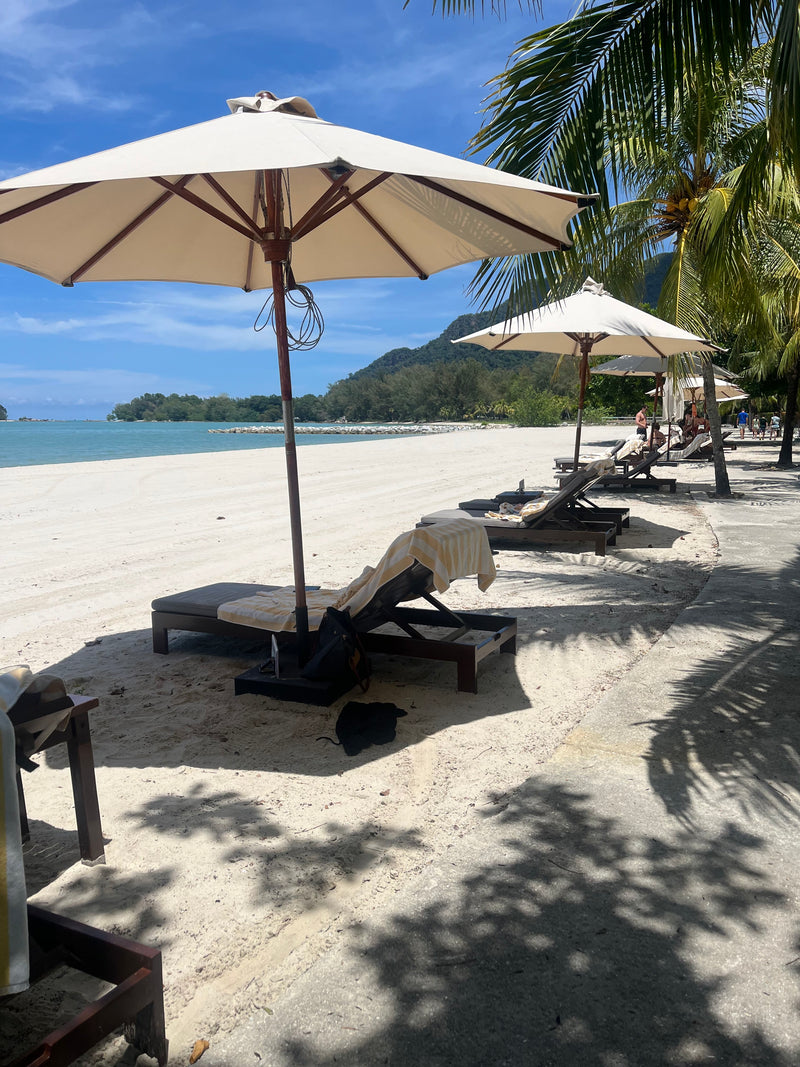
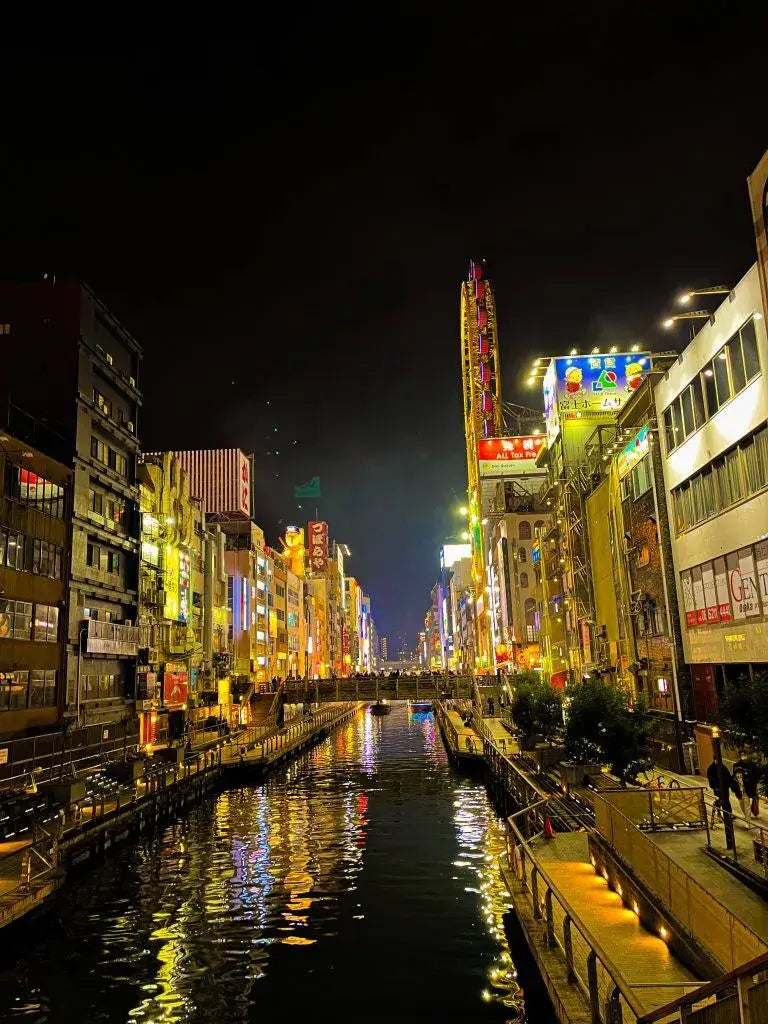
In this blog post, I will tell you about the diverse culture, exotic food, and impressive nature of this East Asian country. Discover why South Korea is a destination that will always surprise you, regardless of whether you're interested in K-Dramas!

How many weeks do you need for your tour?
During this two-week journey through South Korea, you'll encounter a beautiful combination of city, culture, and nature. You'll start in vibrant Seoul, then travel to the coastal city of Busan. The trip comes to a relaxed end on the tropical beaches of Jeju Island, where you can fully enjoy the sun, the sea, and the tranquility.
Seoul
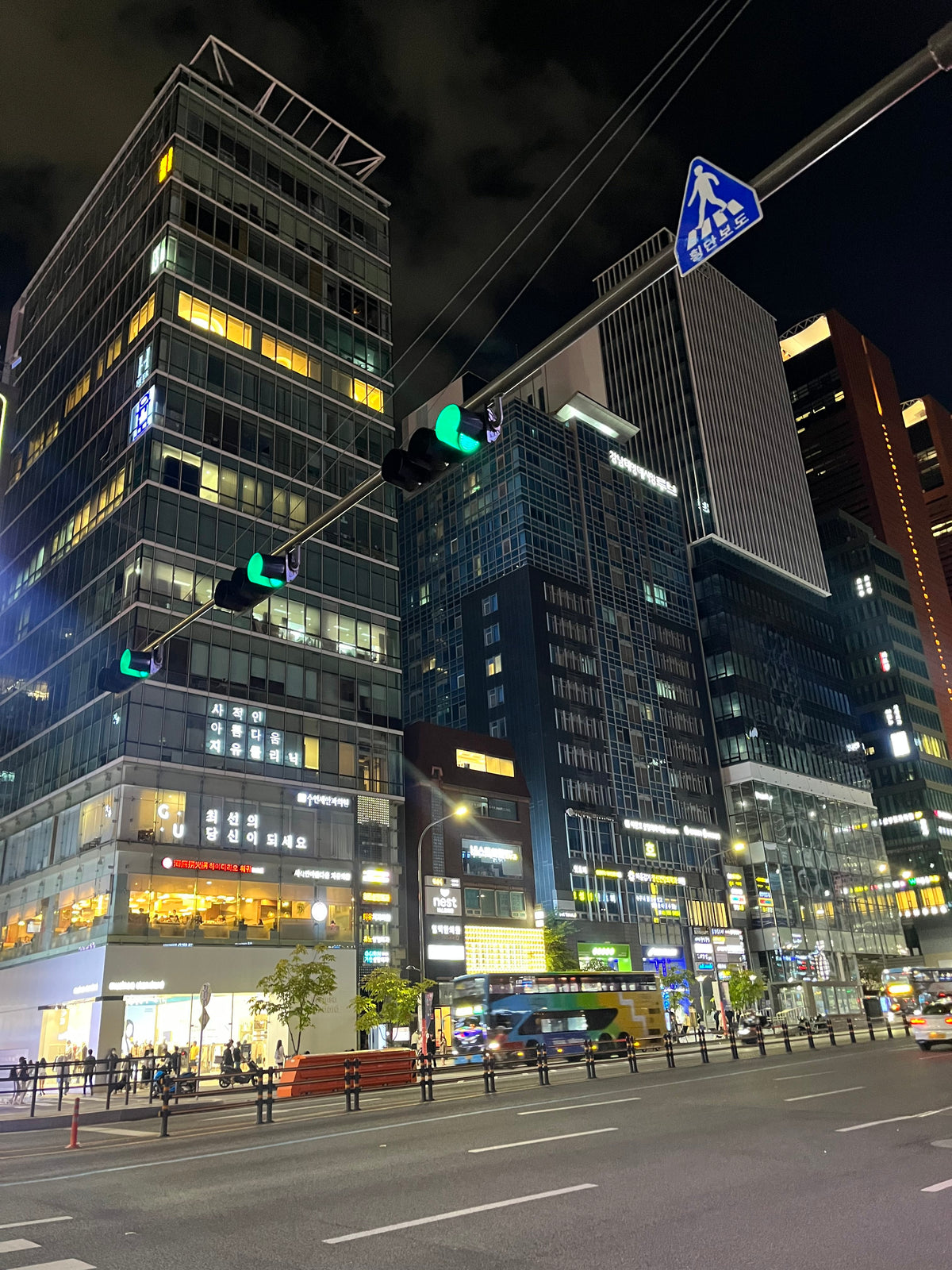
You start with a trip to Gangnam, where futuristic skyscrapers and trendy cafés reflect Seoul's rapid change. It's the ideal location to see the illuminated buildings and choose a delicious K-BBQ restaurant.
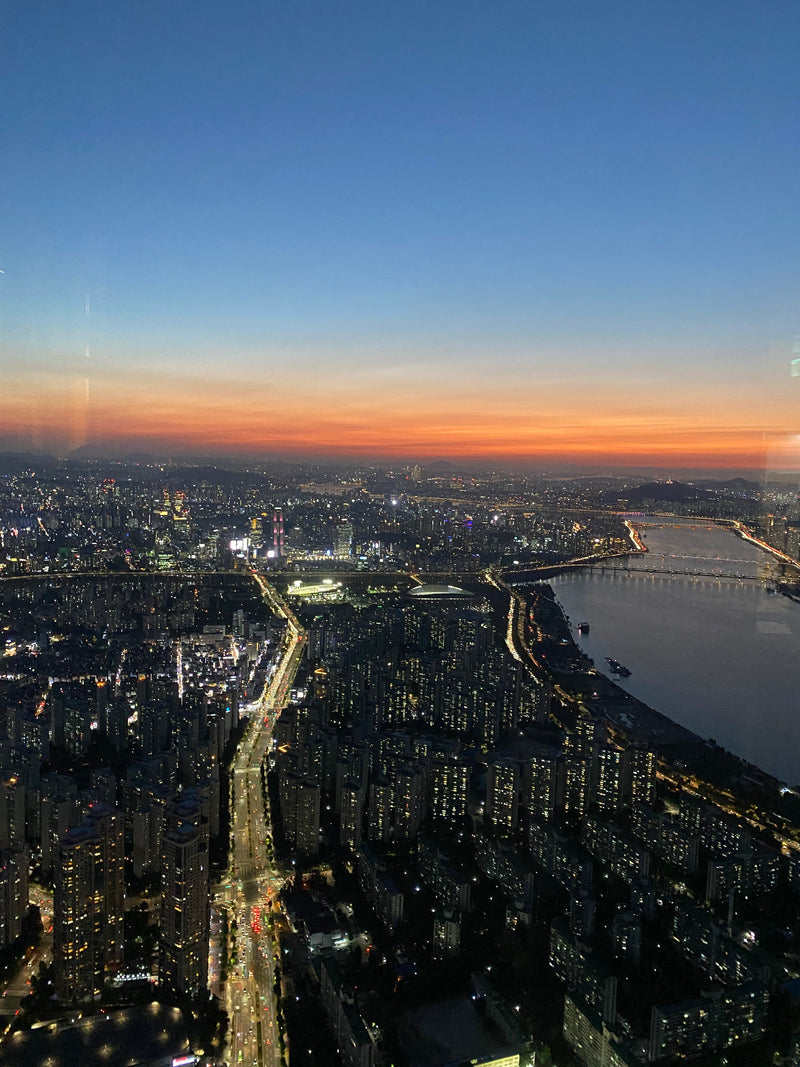
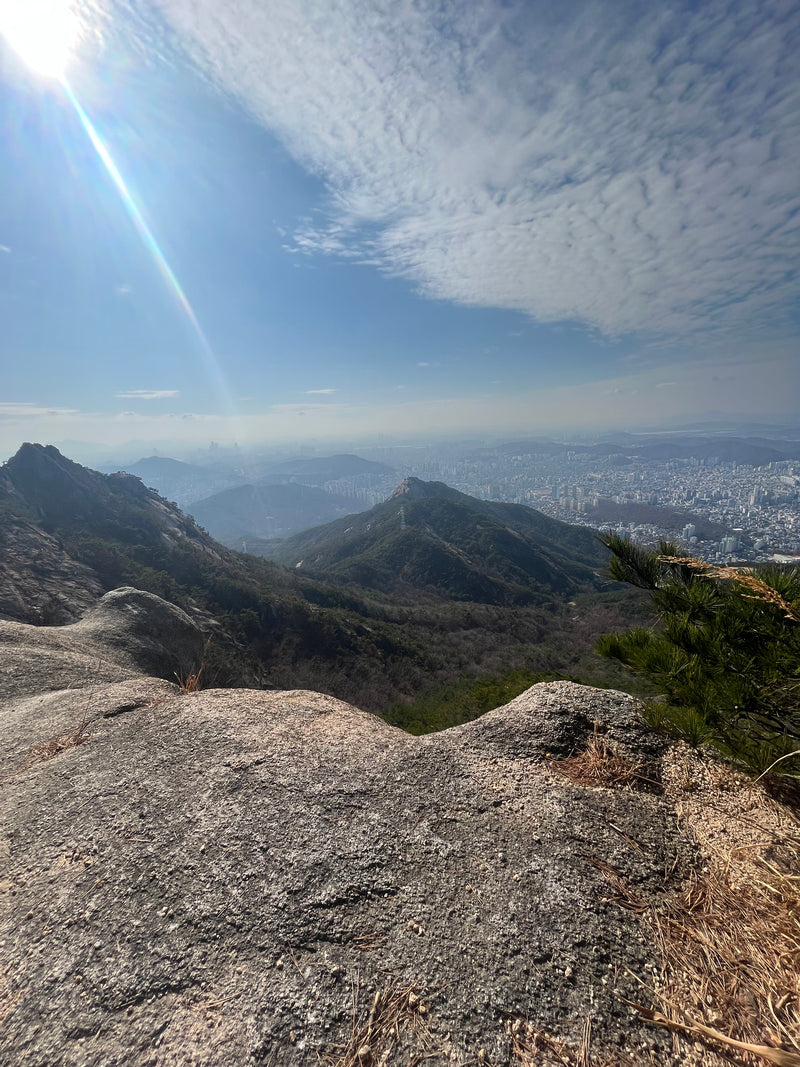
From the Lotte Tower in Gangnam, you have a beautiful view of the city, especially at sunset! So, this is the time to overcome your fear of heights... However, you are safe behind glass. For a bit of nature, you can visit Bukhansan National Park. Here you'll find views that will make you forget you're in the heart of a metropolis. The calm and fresh air (which you don't find in the city itself) provide a wonderful escape!
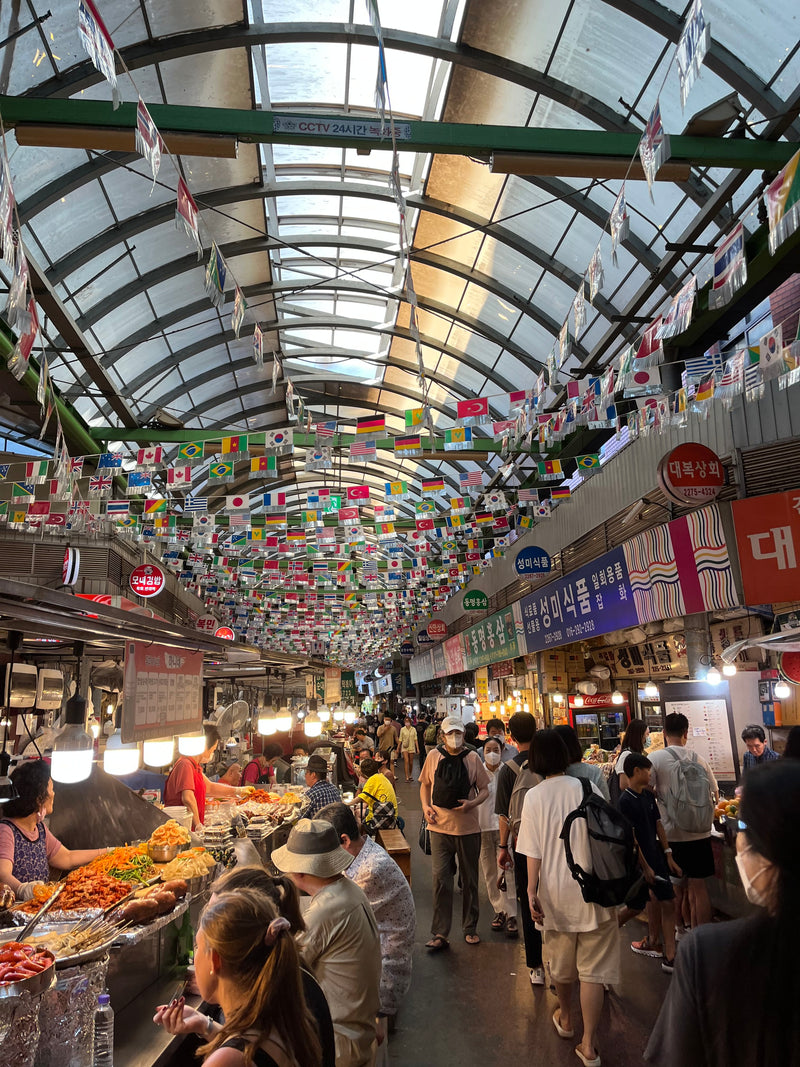
At Dongdaemun Market, you can experience authentic Seoul. The stalls serve everything from spicy tteokbokki to delicious mandu. It's a feast for your taste buds and an opportunity to step out of your comfort zone and explore the local cuisine!
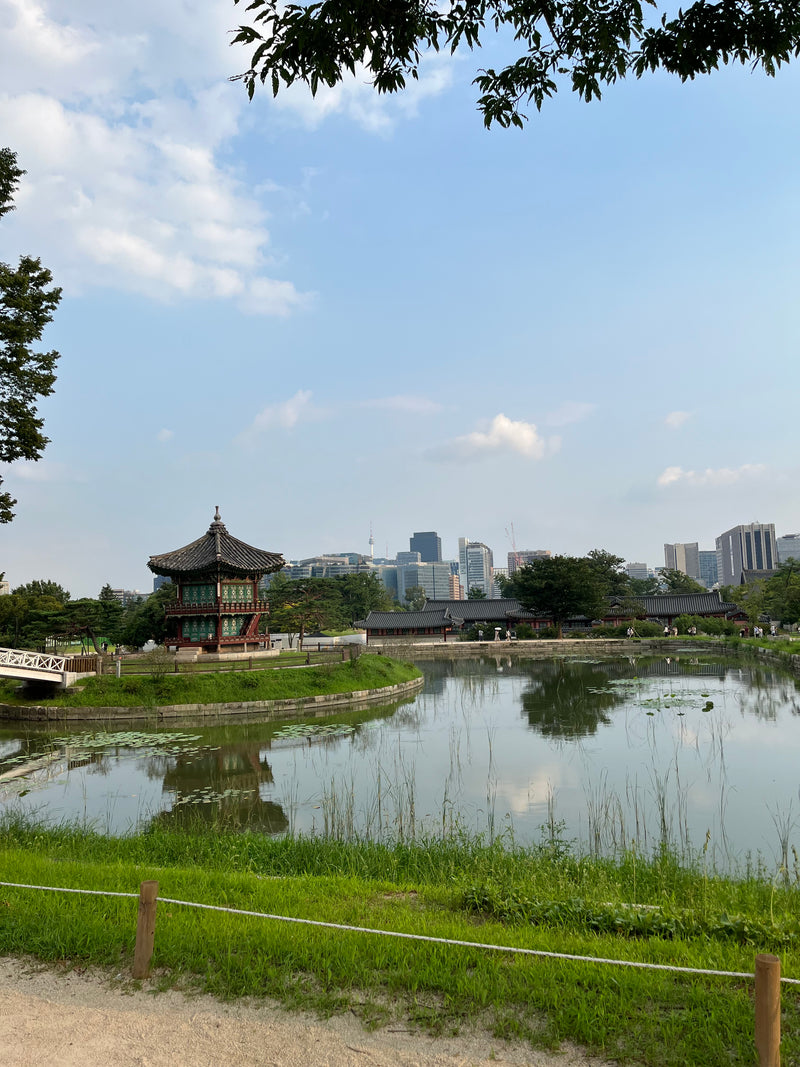
Gyeongbokgung Palace takes you back in time. This impressive palace, with its magnificent walls and traditional architectural styles, tells the story of ancient Korea. Rent a hanbok and step back in time!
A bike ride along the Han River is the perfect way to explore the city in a Dutch way. It's highly recommended to do this bike ride at sunset!
Your day ends at Yeouido, where you'll have a nice picnic by the river in the evening. You can also rent a table and a blanket here!
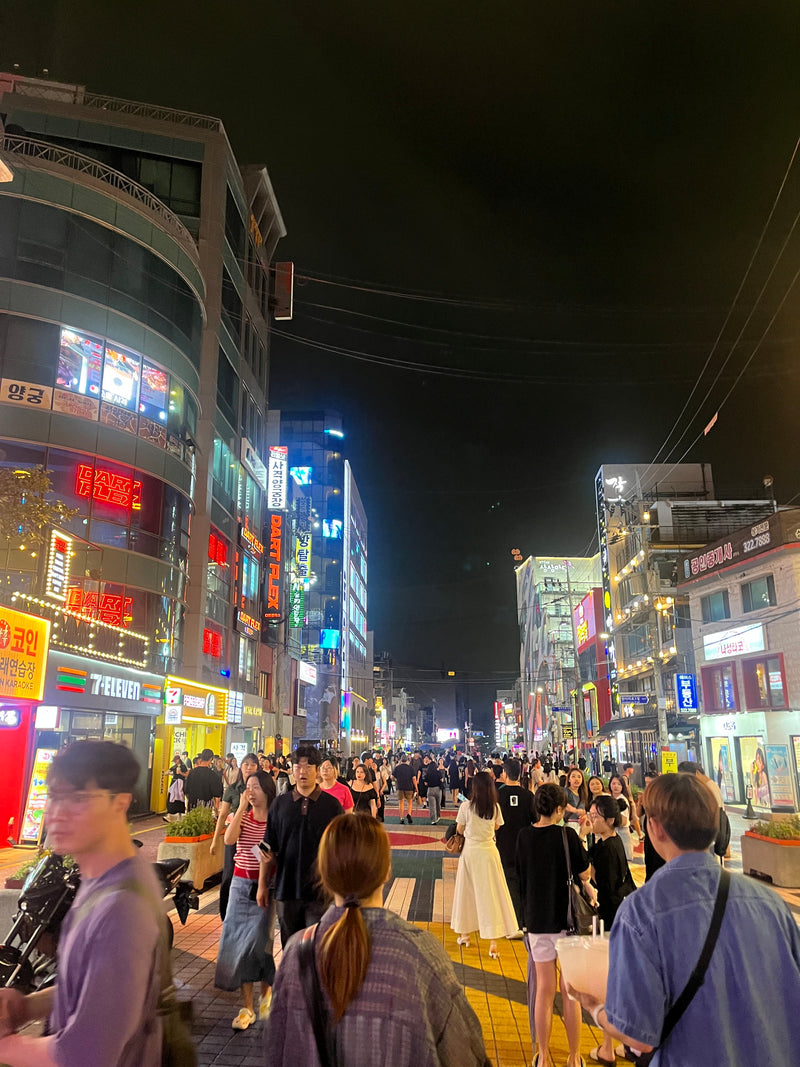
You're probably wondering where to best enjoy nightlife in Seoul. Hongdae and Itaewon are the main hotspots for this.
Hongdae attracts a younger crowd and is famous for street performances, clubs primarily playing pop, hip-hop, R&B, and reggaeton. You'll also find many karaoke bars here to showcase your singing talents!
Itaewon caters more to an older and international audience and is known for techno and house clubs. We recommend booking a hostel through Hostelworld. This app makes it easy to connect with other travelers.

Busan
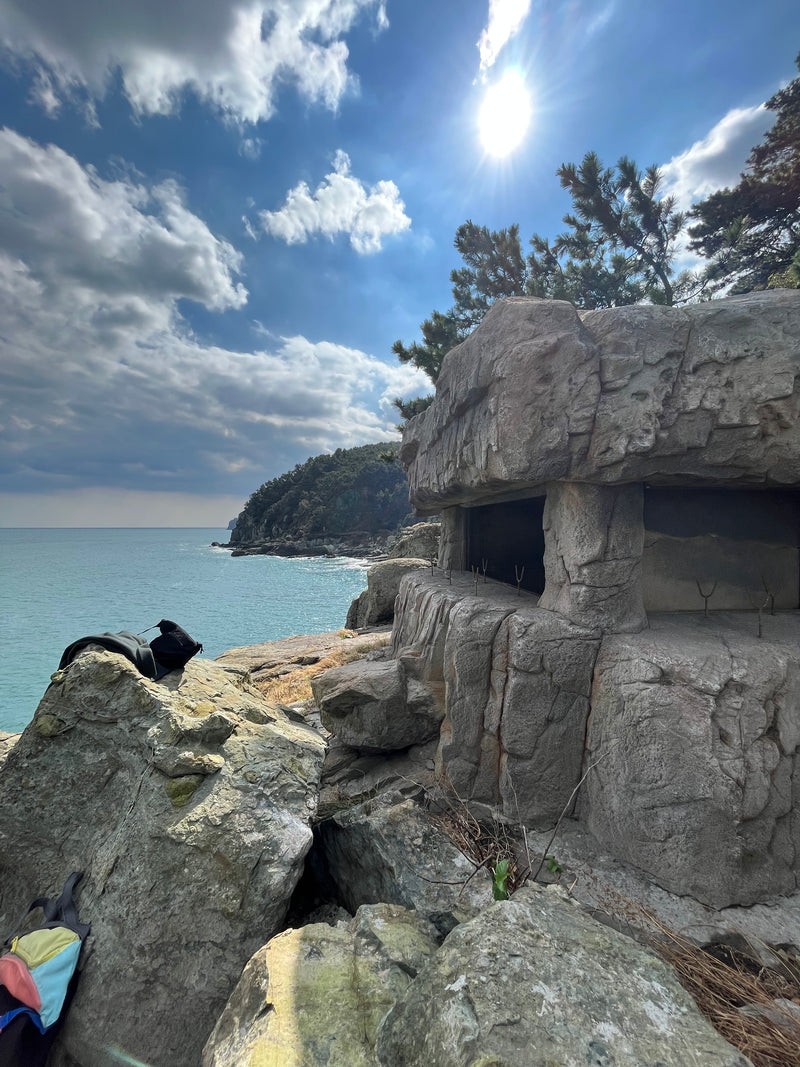
Start your journey in Busan at Dongbaeksom Island, where you'll find a fantastic coastal trail. Here you'll walk past impressive rock formations, and the path offers stunning sea views.
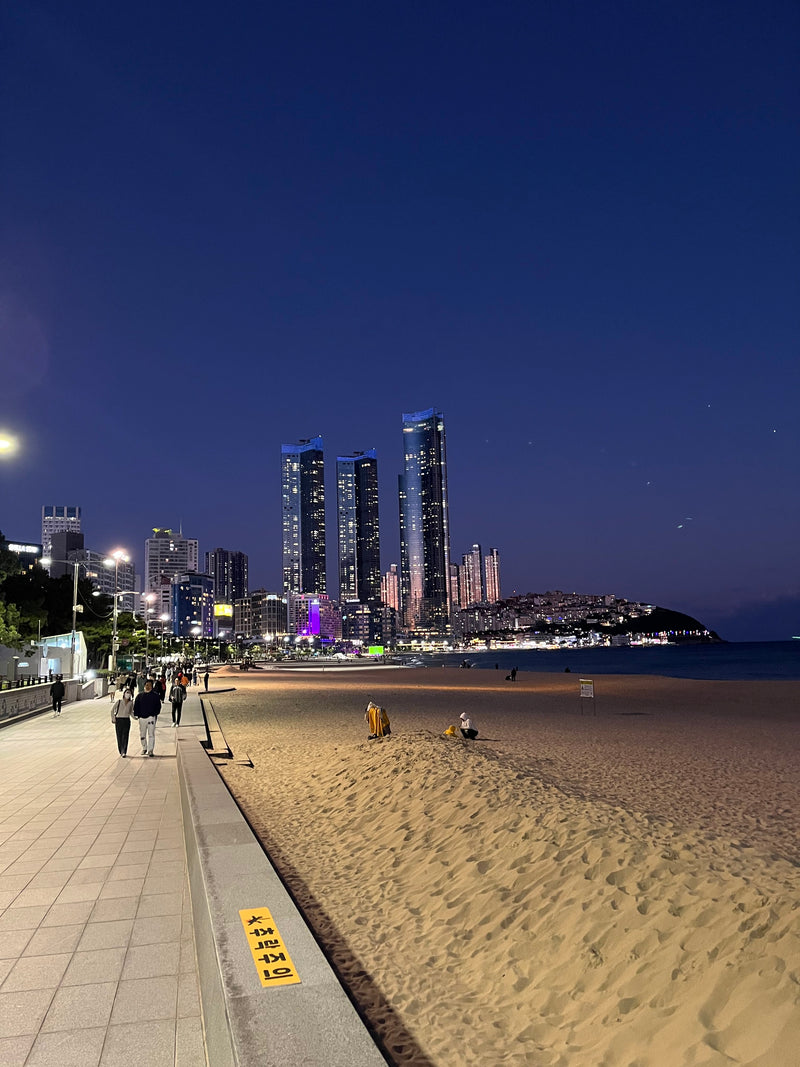
From there, head to Haeundae Beach, the heart of Busan. Here you can enjoy the white sand, beach bars, and good vibes. Whether you want to sunbathe, take a dip (if you're not going in winter), or simply stroll along the beach: Haeundae has a true beach atmosphere. You can find a similar vibe at Gwangalli Beach. In the evening, the Gwangan Bridge comes alive, its lights beautifully reflecting on the water.
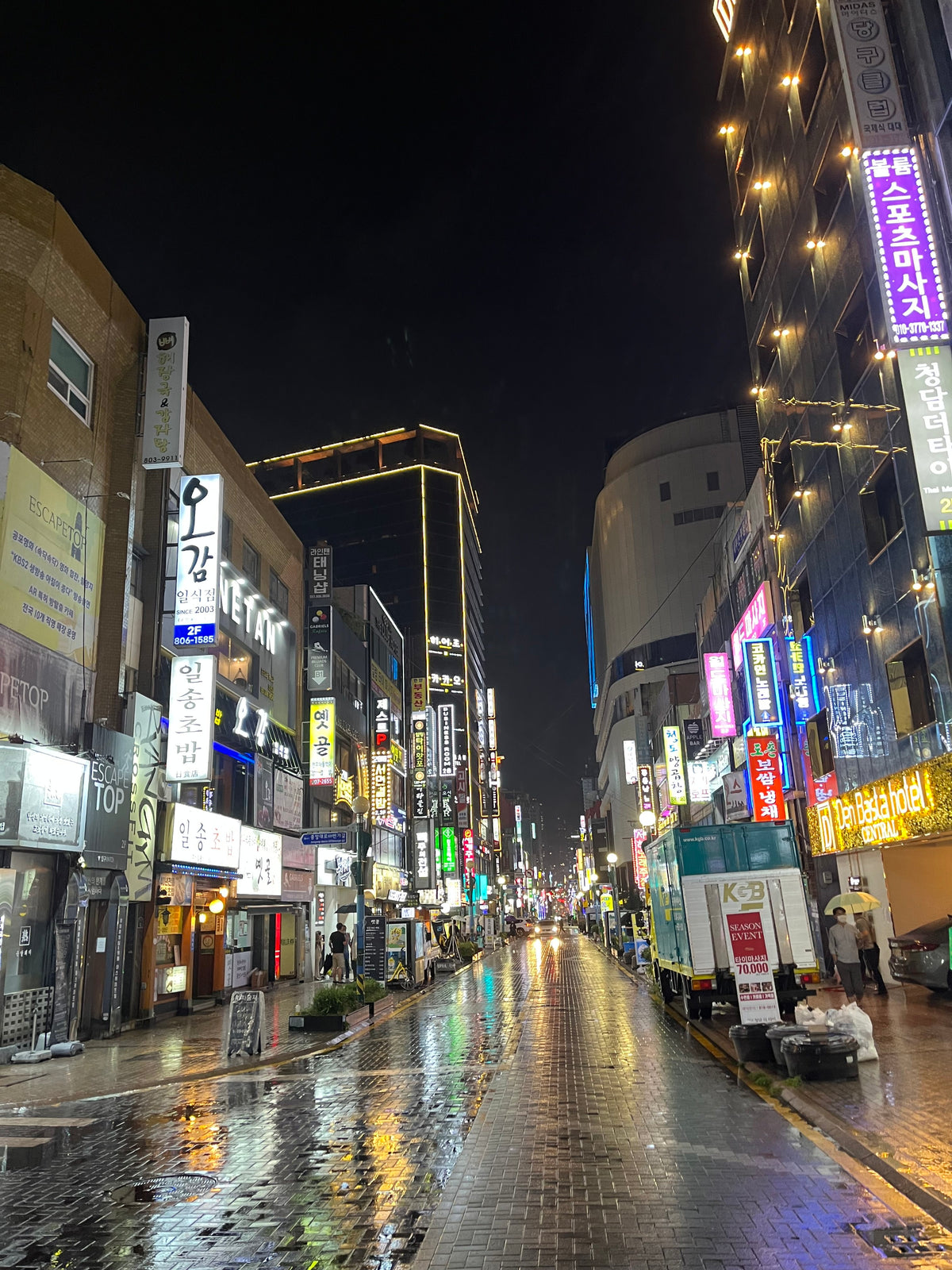
When evening falls, it's time for an authentic Korean barbecue experience in the Seomyeon district. Order your favorite meat and grill it yourself. The aroma and taste of Samgyeopsal (Pork Belly) and the good vibe will get you ready for a night out. This neighborhood is full of pubs, "Pochas" (street food stalls/pubs), and clubs. Whether you want to have a drink or dance: anything is possible in Seomyeon!
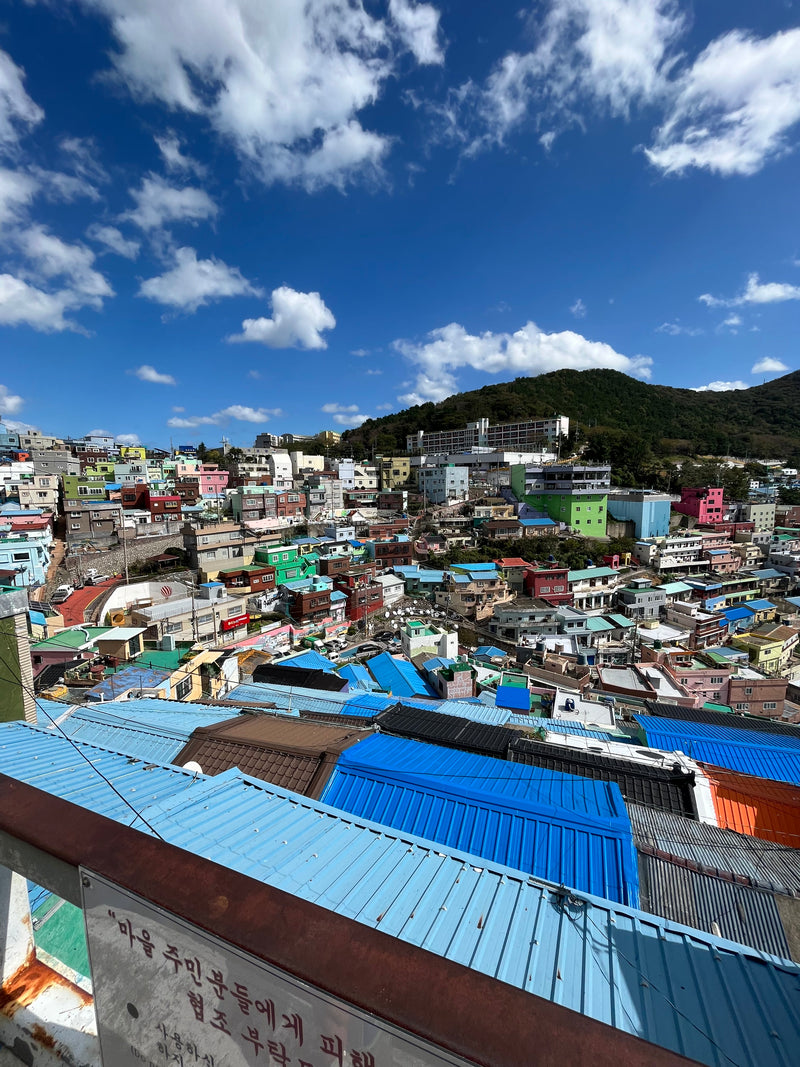
For a dose of culture and color, you can visit Gamcheon Culture Village. This 'Korean Santorini' is a maze of narrow streets, filled with colorful houses, murals, and art galleries. Every corner offers a unique photo opportunity!
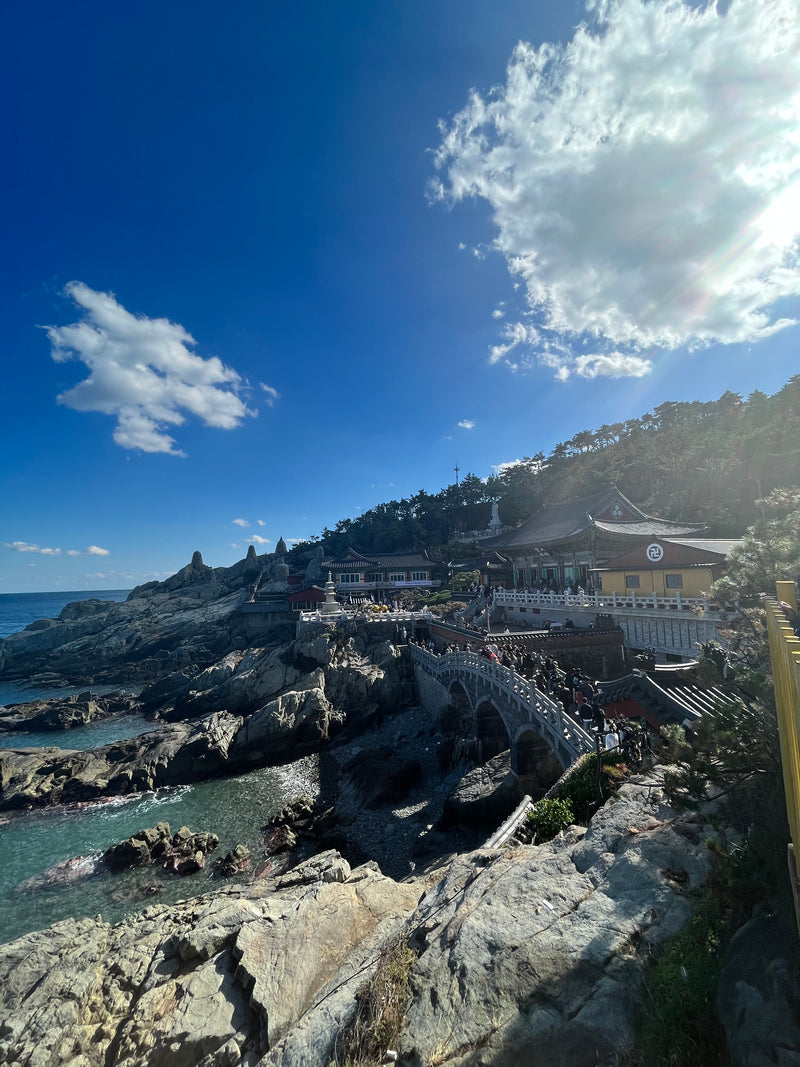
Also visit the Yonggungsa Temple, located directly on the coast. Since this temple is not in the mountains but by the water, it has a very different atmosphere from most other temples in South Korea.
Jeju Island
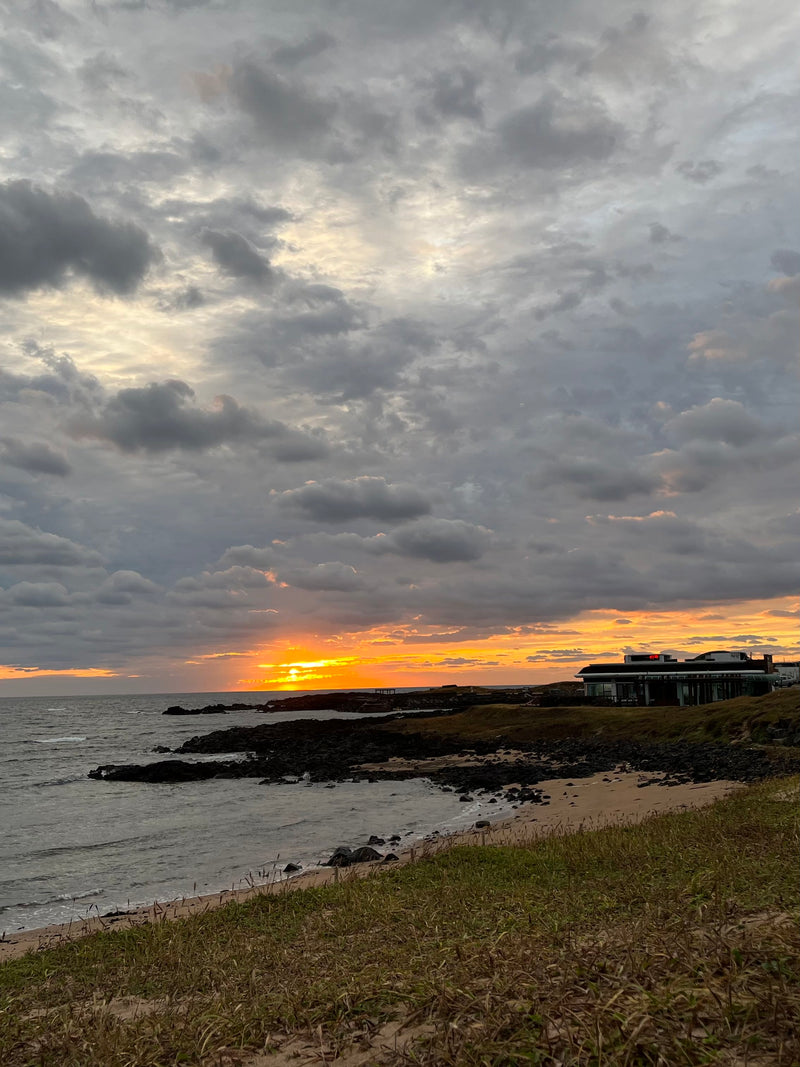
Your trip starts on Udo Island, a mini paradise off the coast of Jeju. Here you can rent a bicycle like a true Dutch person and explore the island. You'll find beautiful beaches, delicious seafood restaurants, and volcanic rocks. Udo offers you the tranquility that was hard to find in Busan and Seoul ;)
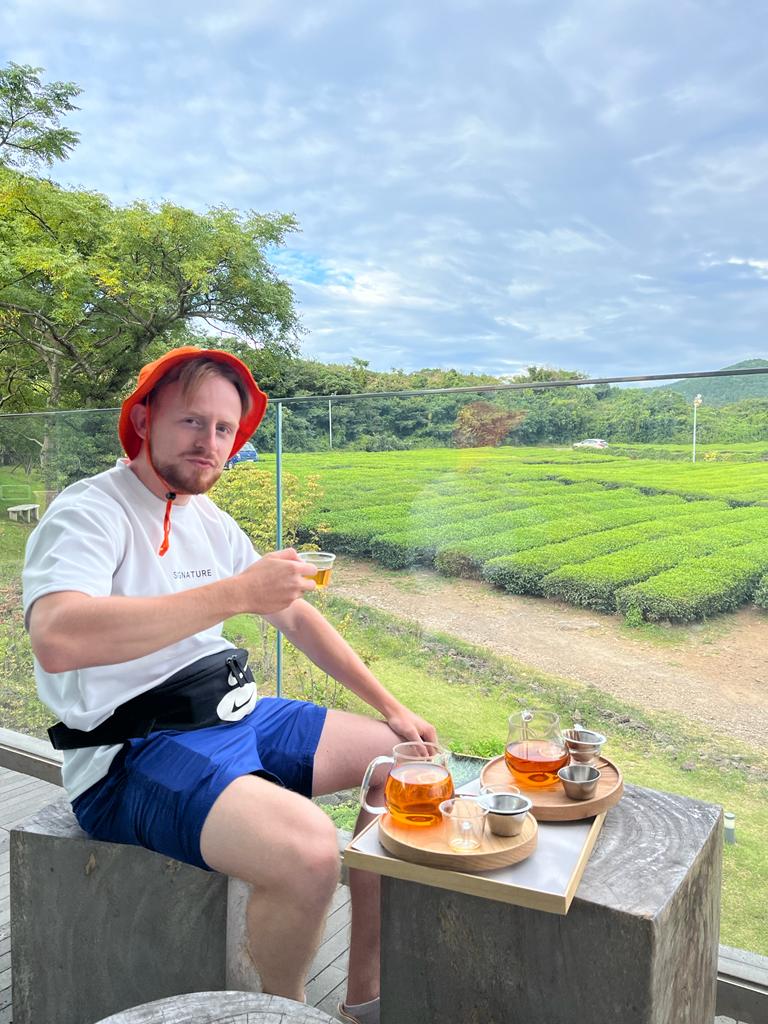
From there, you'll visit the Jeju Osulloc Tea Museum, where you'll be immersed in the world of Korean green tea. Stroll through the tea gardens with various tea varieties and enjoy a cup of tea!
In Jeju City, you'll discover the vibrant side of the island. Visit the local markets and try black pork (heukdwaeji). For a dose of nature and adventure, head to Seogwipo, located on the south of the island. Here you'll find the Cheonjiyeon and Jeongbang waterfalls. Here you also have beautiful beaches to relax!
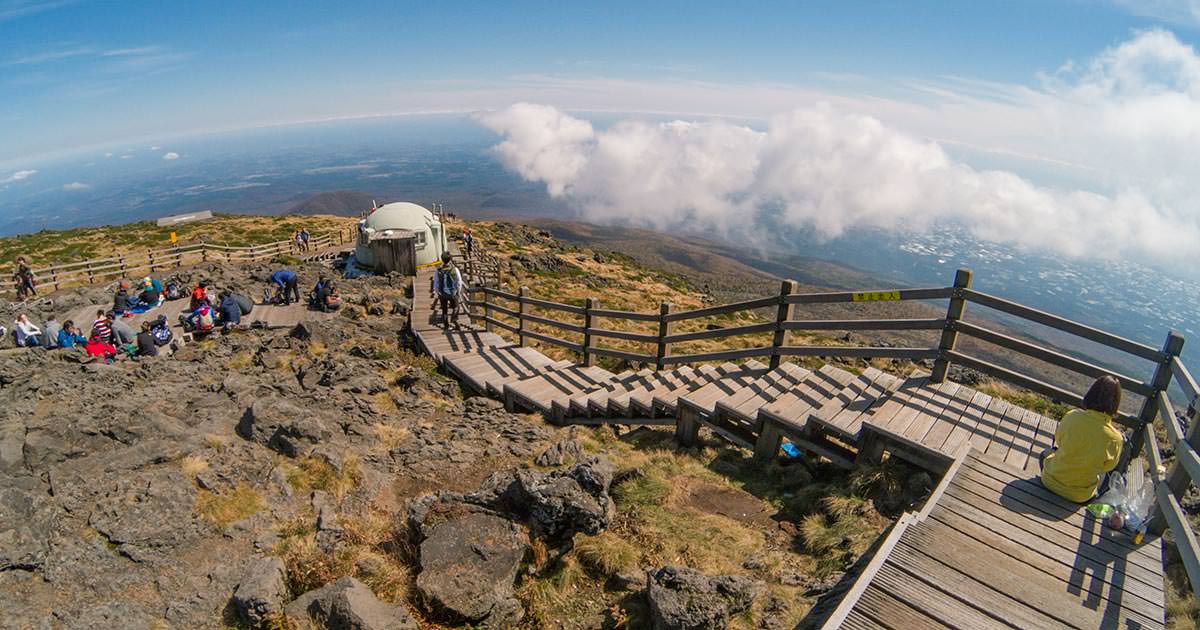
The most beautiful activity on Jeju Island is climbing Hallasan Mountain! However, this requires a good level of fitness. The route we recommend is the Seongpanak Trail, and at 9.6 km (19.2 km return), you should definitely set aside a whole day for it. This trail has it all: colorful forests, a well-maintained path, and, above all, a magnificent view when you reach the summit. You can view the route and make a reservation via this website!

Frequently asked questions about a South Korea tour
In two weeks, you can explore Seoul, Busan, and Jeju Island quite thoroughly, allowing you to take your time at each location. Have less time? Then skip Jeju Island and stay closer to the mainland. After all, it's a holiday ;)
With an average of €60 per day, you can travel comfortably through South Korea. The flight will be your biggest expense; food and local transport in the city are often surprisingly affordable. A street food meal at Dongdaemun Market can easily cost only a few euros, and with the T-money card, you can travel by metro through Seoul for a steal. Just like in many other Asian countries, tipping is not obligatory in South Korea, so you can simply keep those extra pennies in your pocket ;)
Not very well. In Seoul, especially in tourist districts like Gangnam, Hongdae, and Itaewon, you can get by quite well with English, thanks to the younger generation. Outside of the major cities, fewer people speak English. Public transport stops and street names are often displayed bilingually. Additionally, with the translation app Papago and some patience, you can get very far!
South Korea's public transport is excellent. Upon arrival at the airport, purchase a T-money (public transport) card to access buses and subways. Download the Kakao Taxi app for taxis, Naver maps for navigation (Korea's Google Maps), and Papago (the translation app). You can also take the bullet train between Seoul and Busan, also known from the movie "Train to Busan". This train only takes 3 hours.
Bring sturdy hiking boots, especially if you plan to climb Hallasan Mountain on Jeju, and clothing that you can easily layer (the weather can vary significantly by region). Upon arrival, purchase a T-money card for the subway and bus. Also, make sure your debit card is activated for international use. A sleep mask and an inflatable neck pillow for the 11+ hour flight. And, of course, the Legpack: the backpack that functions as both a backpack and a suitcase; ideal for the Seoul subway and hiking tours on Jeju!
For South Korea, the same basic vaccinations are usually recommended as for other East Asian countries, such as hepatitis A and possibly hepatitis B, depending on your travel style and the duration of your trip. Which vaccinations are specifically necessary or advisable for you depends on where you are going and what you will be doing. Therefore, always check the GGD Travel Vaccinations page about South Korea well before departure, so that you are on time for any injections.

The perfect bag for South Korea
50 liters, usable as a suitcase and a backpack. Perfect for the Seoul subway, hiking trails on Jeju, and the beaches of Busan.