In Japan, centuries-old traditions meet modern technology. From the metropolis of Tokyo to diverse Osaka and the temples in Kyoto: each location has its own charm. In this blog, I'll take you on a journey: What does this exotic country, rich in culture, delicious food, beautiful nature, and where mutual respect is paramount, have to offer?
How many weeks do you need for your tour?
During this two-week trip through Japan, you'll encounter a beautiful combination of city, culture, and nature. You'll start your journey in bustling Tokyo. Then, you'll visit the famous Mt. Fuji and take the high-speed train (Shinkansen) to Kyoto and Nara. The last stop of your trip will be modern Osaka, before returning to Tokyo to catch your flight. With this trip, you'll have experienced most of the highlights this country has to offer!

Tokyo
Tokyo is a fantastic city where young and old alike are amazed by the surroundings.
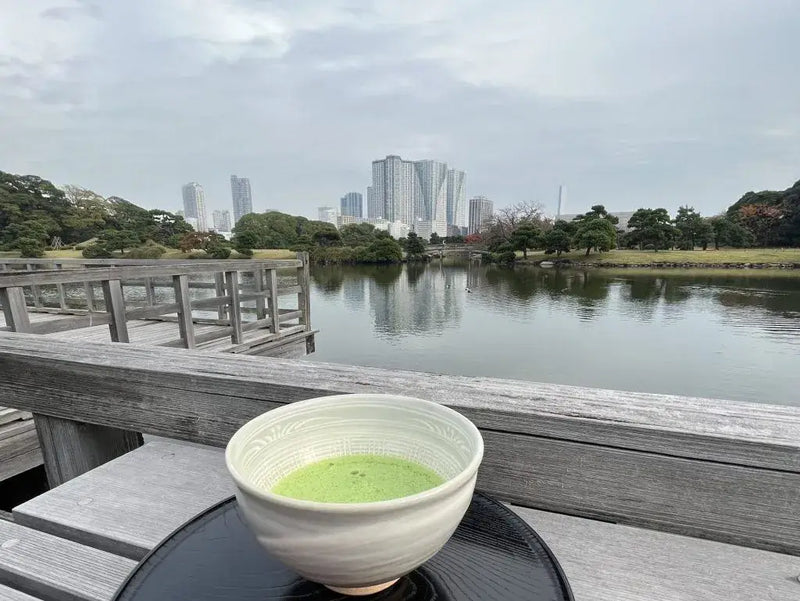
Between the bustling streets and tall buildings, there's a surprising amount of tranquility to be found, such as in Hamarikyu Garden. This park offers a moment to escape the crowds and enjoy a matcha tea in a traditional teahouse.
Each neighborhood in Tokyo has a unique atmosphere. Harajuku is the place for striking fashion and creative street style, especially around the famous Takeshita Street. Akihabara is all about anime, manga, and games, with large arcades and brightly lit stores.
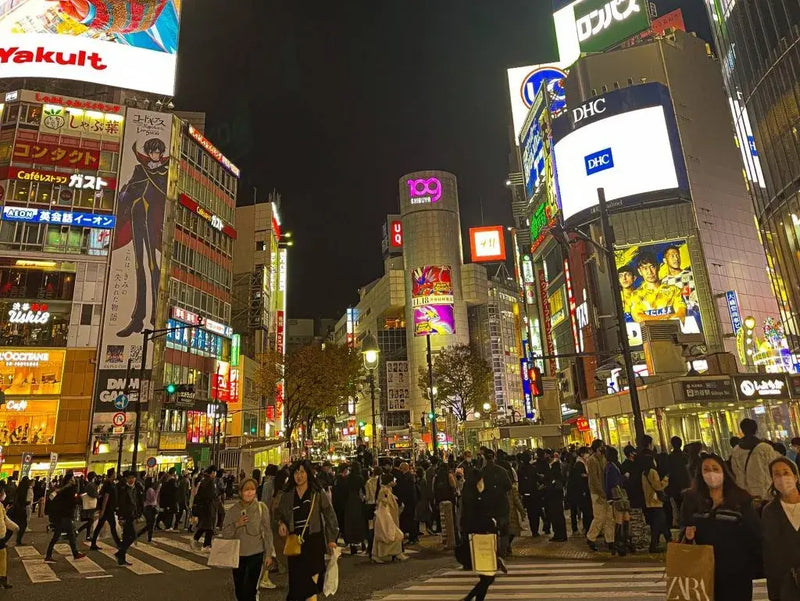
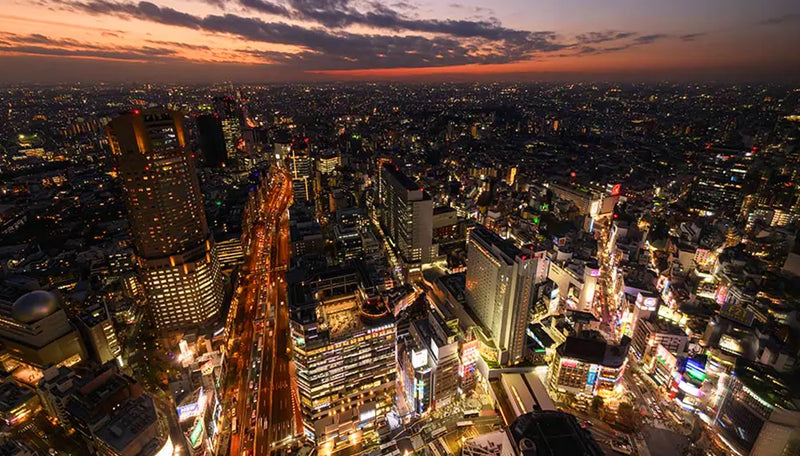
Shibuya is arguably Japan's most iconic location, with the famous Shibuya Crossing, endless multi-story shops, and a vibrant nightlife. You'll be surprised every day here.
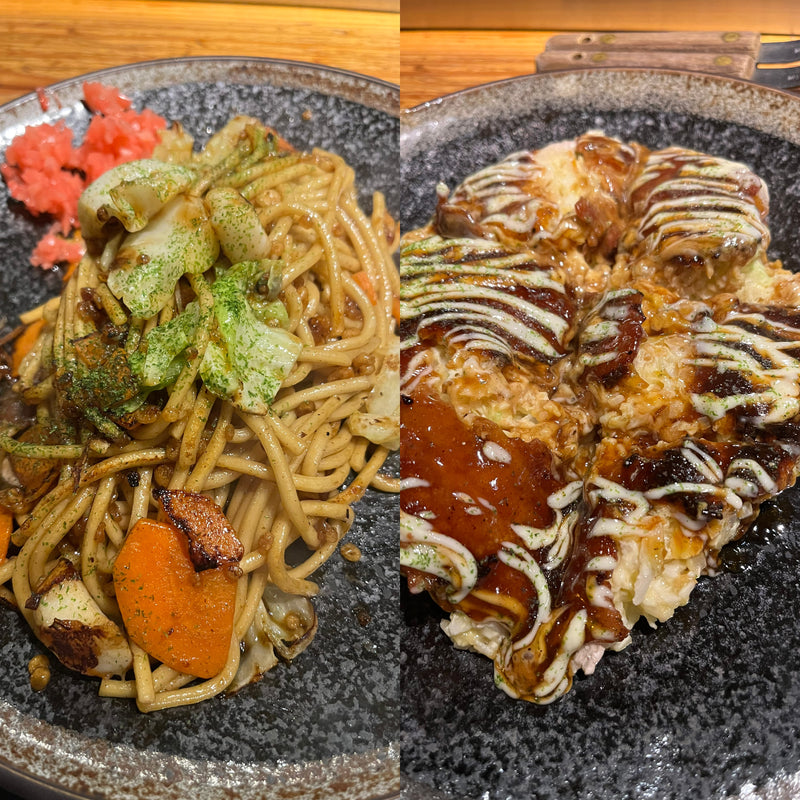
Of course, you can also enjoy delicious food in Tokyo. One of the dishes Japan is famous for is Okonomiyaki, which is a type of savory pancake. Try it at the restaurant Osaka Okonomiyaki Tomokunchi.
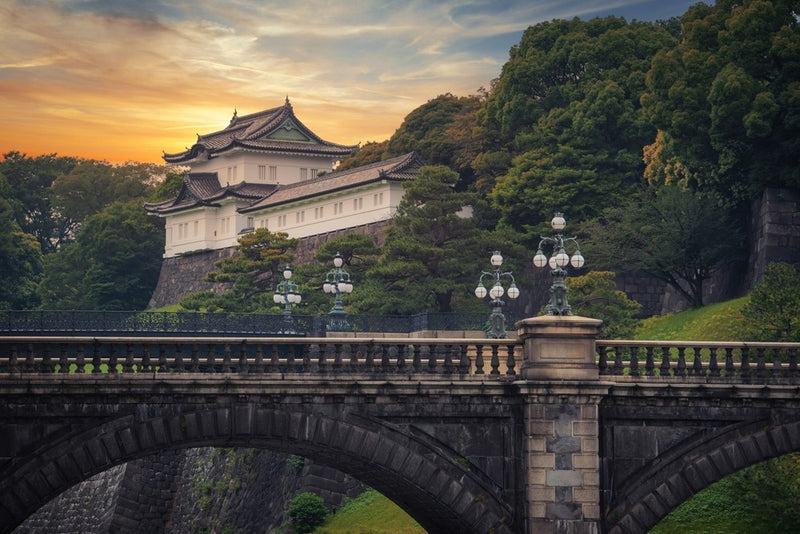
The Meiji Temple next to Yoyogi Park is also worth a visit. At Kokyo (the Imperial Palace) you will find a beautiful green area. This palace has been the emperor's official residence since 1868, when he moved to Tokyo.
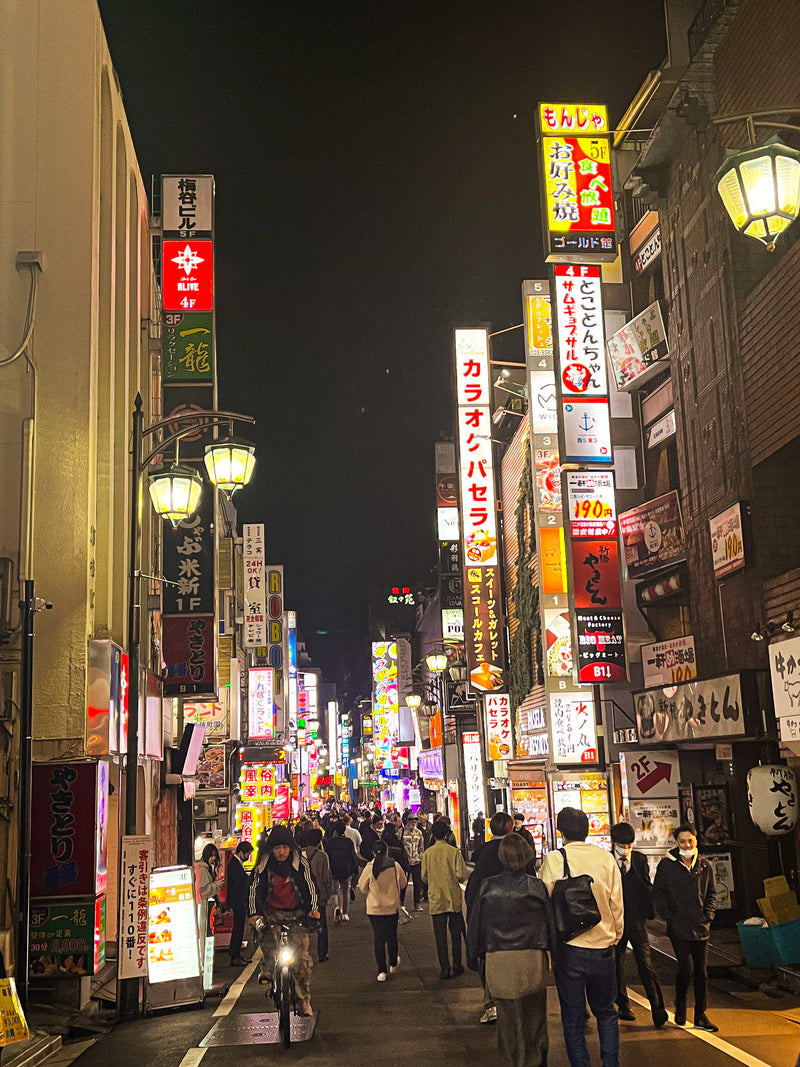
In the evening, the vibe at Shin-Okubo subway station changes. This bustling neighborhood is famous for its Korean influences, with atmospheric restaurants, street food, and neon lights. From here, you can walk to Shinjuku, where bars, clubs, and izakayas stay active until the late hours.
Mount Fuji
Mt. Fuji is undoubtedly one of Japan's most iconic locations and an absolute must-see for your trip. The volcano towers high above the landscape and presents a different appearance from every angle. Surrounding the mountain are lakes, small villages, and stunning viewpoints.
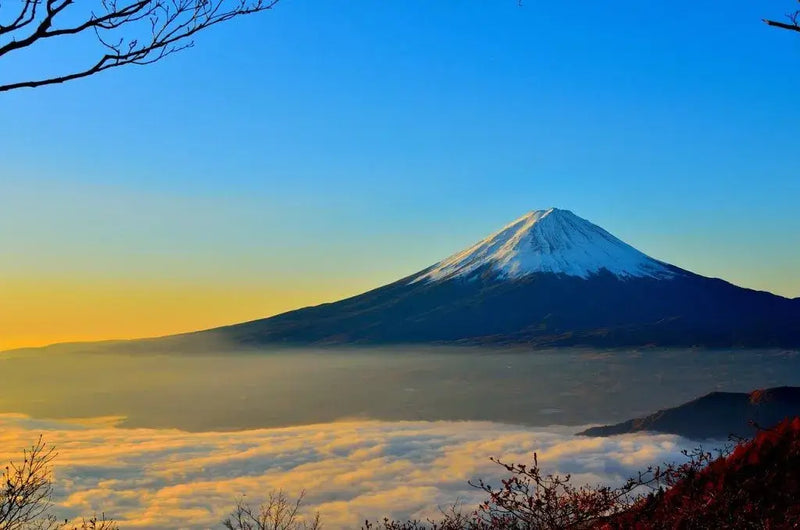
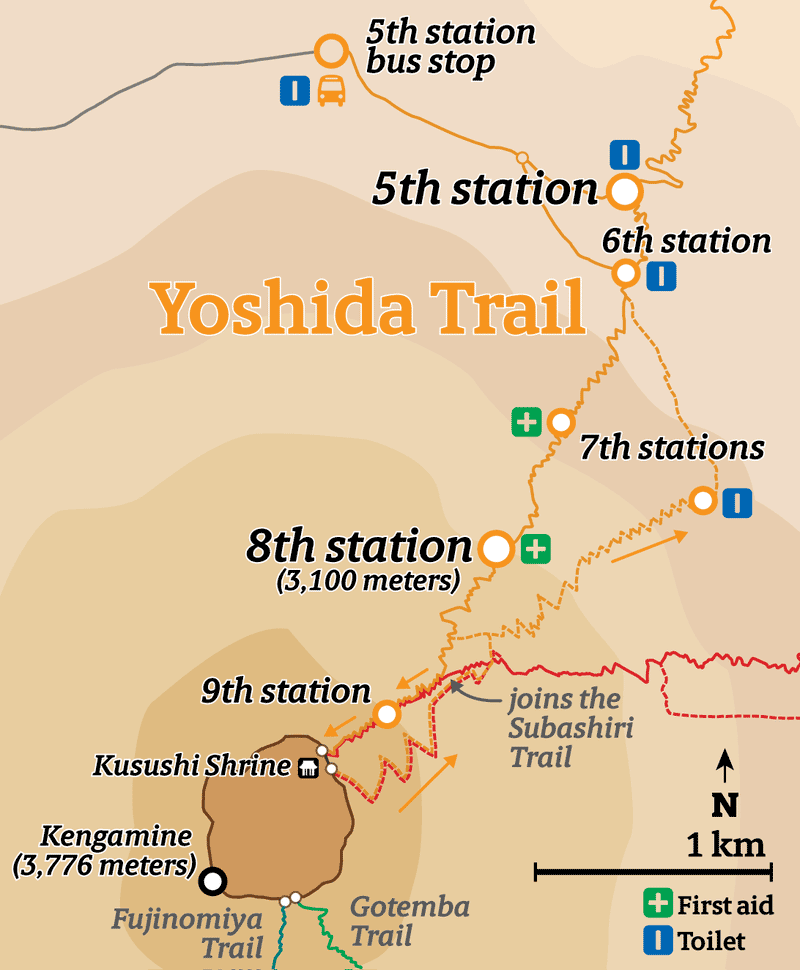
After checking out of your hotel, take the Shinkansen to Fuji village. From this station, there are buses that will take you directly to Mount Fuji. Once you arrive, it is advisable to rent a bike!
Kyoto
Travel by Shinkansen from Mt. Fuji to Kyoto. In the evening, visit the Fushimi Inari Temple; the thousands of red torii gates create an amazing sight at sunset. Explore Kyoto further with well-known attractions such as Kinkaku-ji, the famous Golden Pavilion.
In Kyoto, you can see free-roaming monkeys at Arashiyama Monkey Mountain. In the same area, we recommend taking a walk along the river. Also visit Toji Temple, where you can discover traditional houses next to the temple and buy souvenirs.
Ginkaku-ji Temple was founded in 1482 as a residential villa, but was later converted into a Buddhist temple. Kiyomizu-dera (founded in 778) is famous for its wooden platform built without nails, a symbol of spiritual purification.
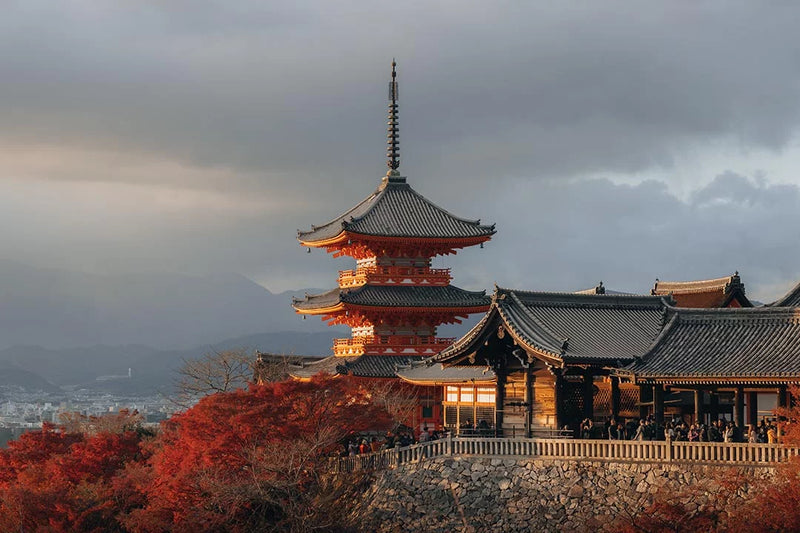
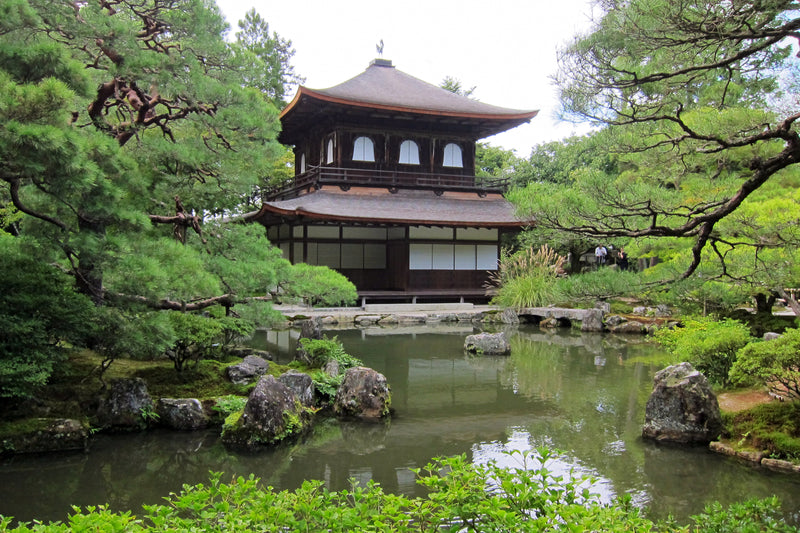
Yasaka Pagoda is what Kyoto is known for. Get up early to avoid mass tourism and walk through the iconic alleys!
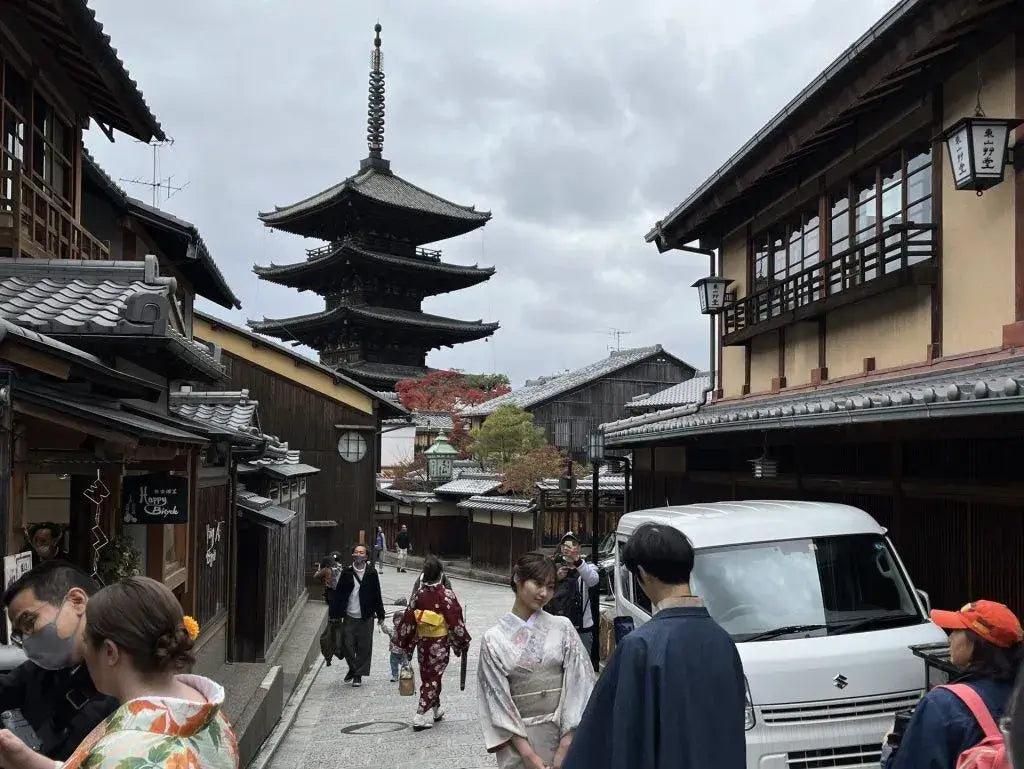
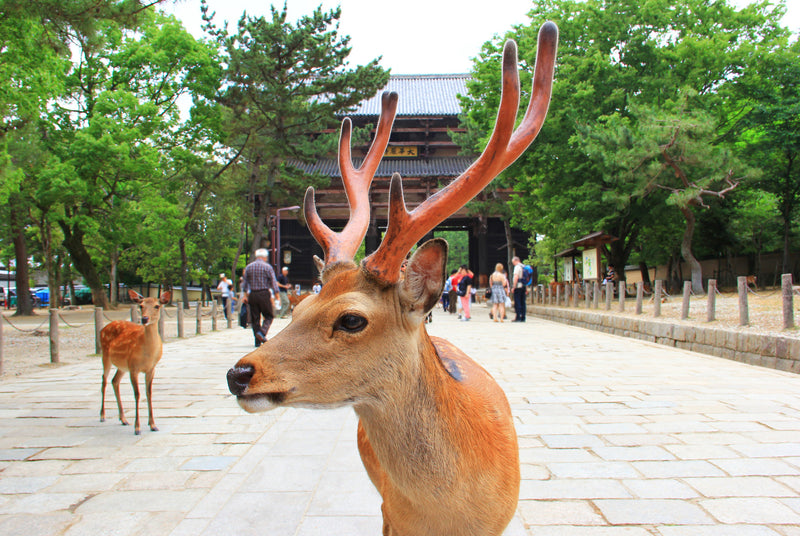
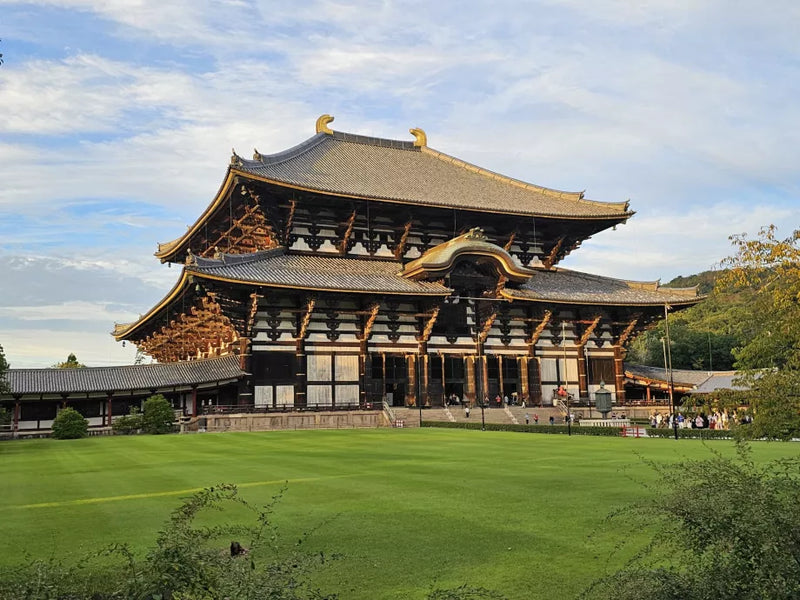
From Kyoto, you can also take a day trip to Nara. In Nara Park, you can relax with hundreds of deer that you can feed by hand. Nearby you'll also find temples such as Todai-ji with the Great Buddha.
Osaka
Take the Shinkansen from Kyoto and check into your hotel in the Shinsaibashi district. This area is known for its vibrant atmosphere, bright neon lights, and nightlife.
Also check out Dotonbori, a bustling district full of street food, entertainment, and illuminated billboards. This is the place to be for a delicious cocktail or a dance with tourists and locals alike!
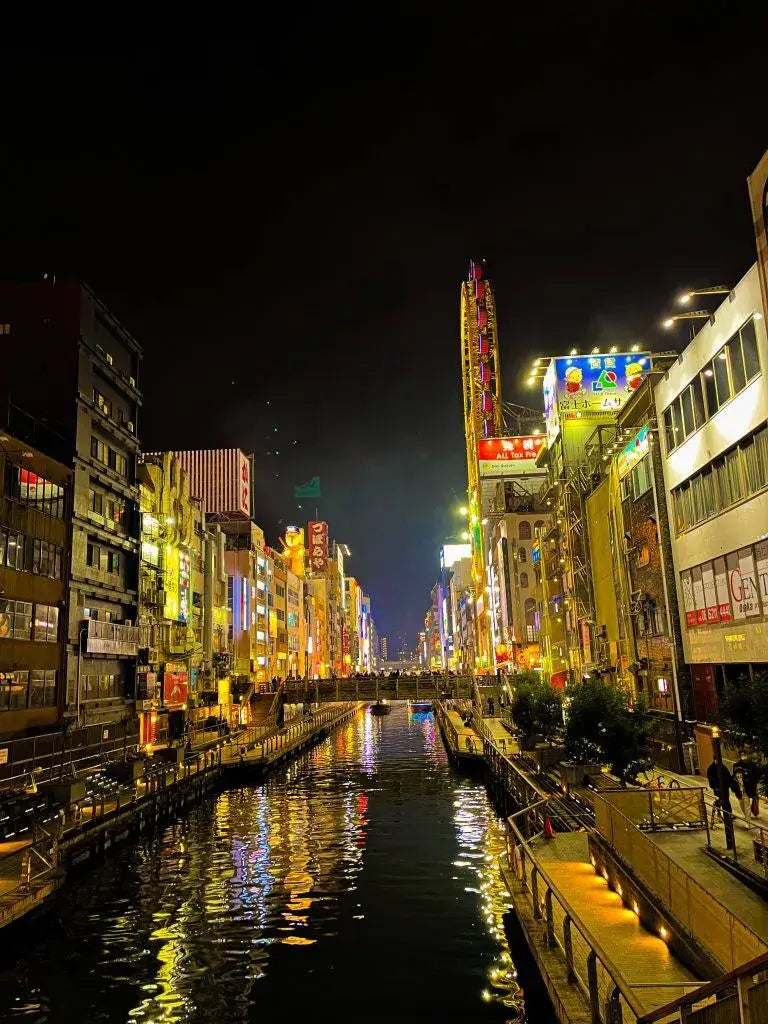
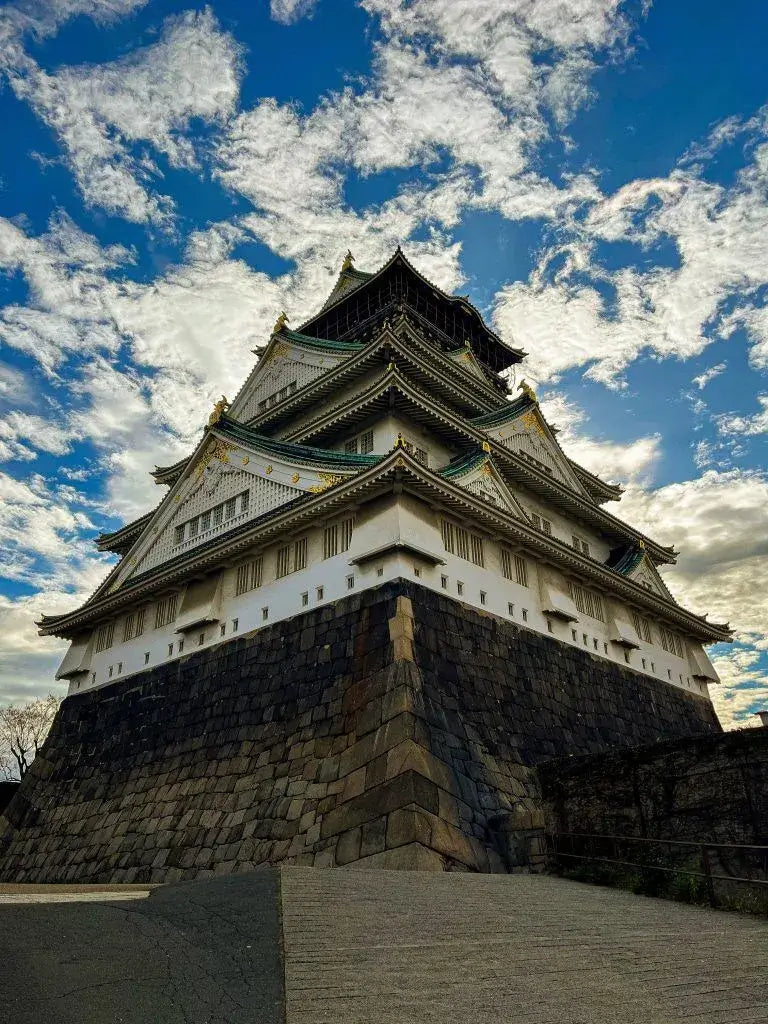
The highlight of Osaka is the historic Osaka Castle. This castle was built in the 16th century by Toyotomi Hideyoshi as a symbol of his influence in Japan.
Visit Abeno Harukas, the city's tallest tower, where you can enjoy a magnificent view of the entire city of Osaka at sunset.
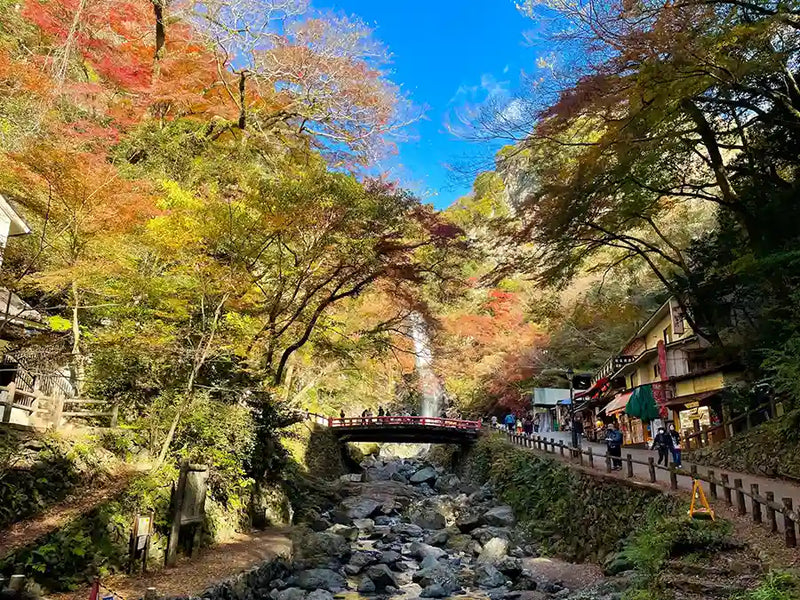
For a bit of nature, you can go to Minoh Park, just outside the city centre. Here you can walk past waterfalls and enjoy nature in the spring and autumn seasons.
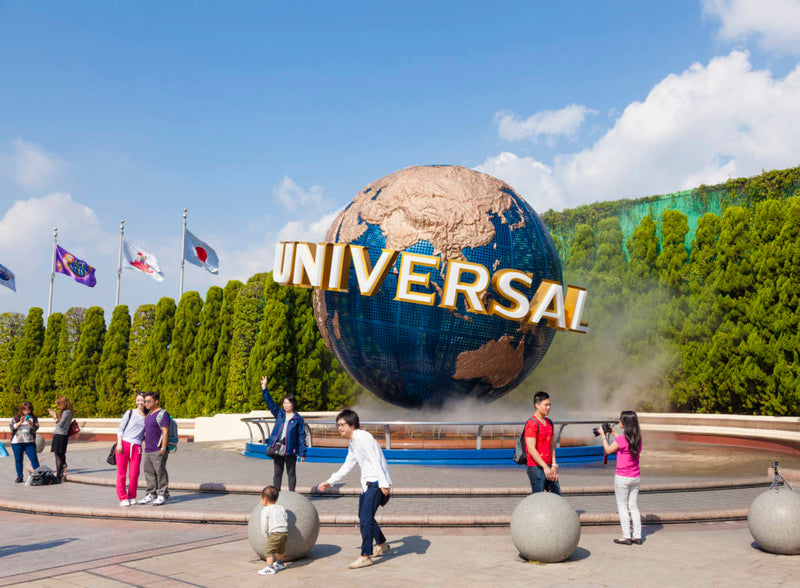
For gaming fans: go to Universal Studios Japan, where Super Nintendo World, Harry Potter, Jurassic Park and Minions are brought to life.

How much does a trip to Japan cost?
Japan has a reputation for being expensive, but with a little planning, it's not too bad. Expect to spend an average of €80 to €120 per day for accommodation in a guesthouse or business hotel, food, local transport, and entrance fees for temples and museums.
The biggest savings are in transportation: with a Japan Rail Pass, you can travel unlimited on the Shinkansen between Tokyo, Kyoto, and Osaka for a fixed price. Food doesn't have to be expensive either. Pick up a fresh onigiri (a triangular rice snack with seaweed) or a bento at Lawson for a few euros.
Are you traveling through multiple cities for two weeks? Then you'll be packing and unpacking your bag every few days. With packing cubes, you can keep your Legpack organized, so you'll be packed again within a minute at every hotel.
Do you need a visa for Japan?
Good news for Dutch and Belgian travellers: for a holiday of up to 90 days, you do not need a visa to visit Japan. You only need a passport that is valid for at least the duration of your stay upon arrival.
Upon arrival, you fill in an entry and customs form. You can also do this digitally in advance via the Visit Japan Web app, where you will receive a stamp allowing you to stay as a tourist for up to 90 days. If you are going to work or stay longer, different rules apply, and you will need a visa.
Always check the current requirements with the Japanese Embassy or on the Dutch government website just before departure: travel advice and regulations can change.
When is the best time to travel to Japan?
Japan is worth visiting all year round, but spring and autumn are the best seasons to go. Between March and April, the country turns pink due to the cherry blossoms (sakura), especially worth seeing in Tokyo and Kyoto. In November, during autumn, you'll also be amazed by all the different colours.
Summer (June–August) is too hot, humid, and rainy. It's great if you like festivals, but less enjoyable as a tourist. In addition, Fuji is closed (the official hiking route only opens in early July). Winter is dry and cold, with excellent conditions if you want to head to Hokkaido for snow.
Are you travelling in peak season, spring or autumn? Book trains and hotels well in advance. Half of Japan is on holiday then, just like you!
Frequently asked questions about a round trip through Japan
In two weeks, you can cover a lot, including Tokyo, Mt. Fuji, Kyoto, Nara, and Osaka, where you can take your time at each location. Have less time? Then skip Nara and Mt. Fuji. It is a holiday, after all ;)
With an average of €80 to €120 per day, you can travel comfortably through Japan. Flights and a Japan Rail Pass are your biggest expenses; food and urban public transport are often quite affordable. Of course, you can make it as expensive as you wish, as Japan is full of cheap eateries. Japan has absolutely no tipping culture, so you can keep those extra pennies in your pocket ;)
Even in the big cities, you can't expect many locals to speak English. However, you can get around quite easily on the metro where everything is written bilingually. Additionally, you can use Google Translate, and locals will go out of their way to help you, even with broken English. So, don't worry about getting lost!
Bring enough cash. Also, make sure your debit card is activated for international use; usually, a credit card is the safest option. Sneakers are recommended because you'll be walking a lot on paved roads. A sleep mask and an inflatable neck pillow for the 11+ hour flight. And of course, the Legpack: the backpack that works both as a backpack and a suitcase; ideal for rolling on paved roads and carrying when the roads are less accessible!

The perfect bag for Japan
50 liters, to be used as a suitcase and a backpack. Ideal for the Shinkansen and narrow Japanese alleys.
View the Leg Pack →